Pasta Nights That Still Feel Light
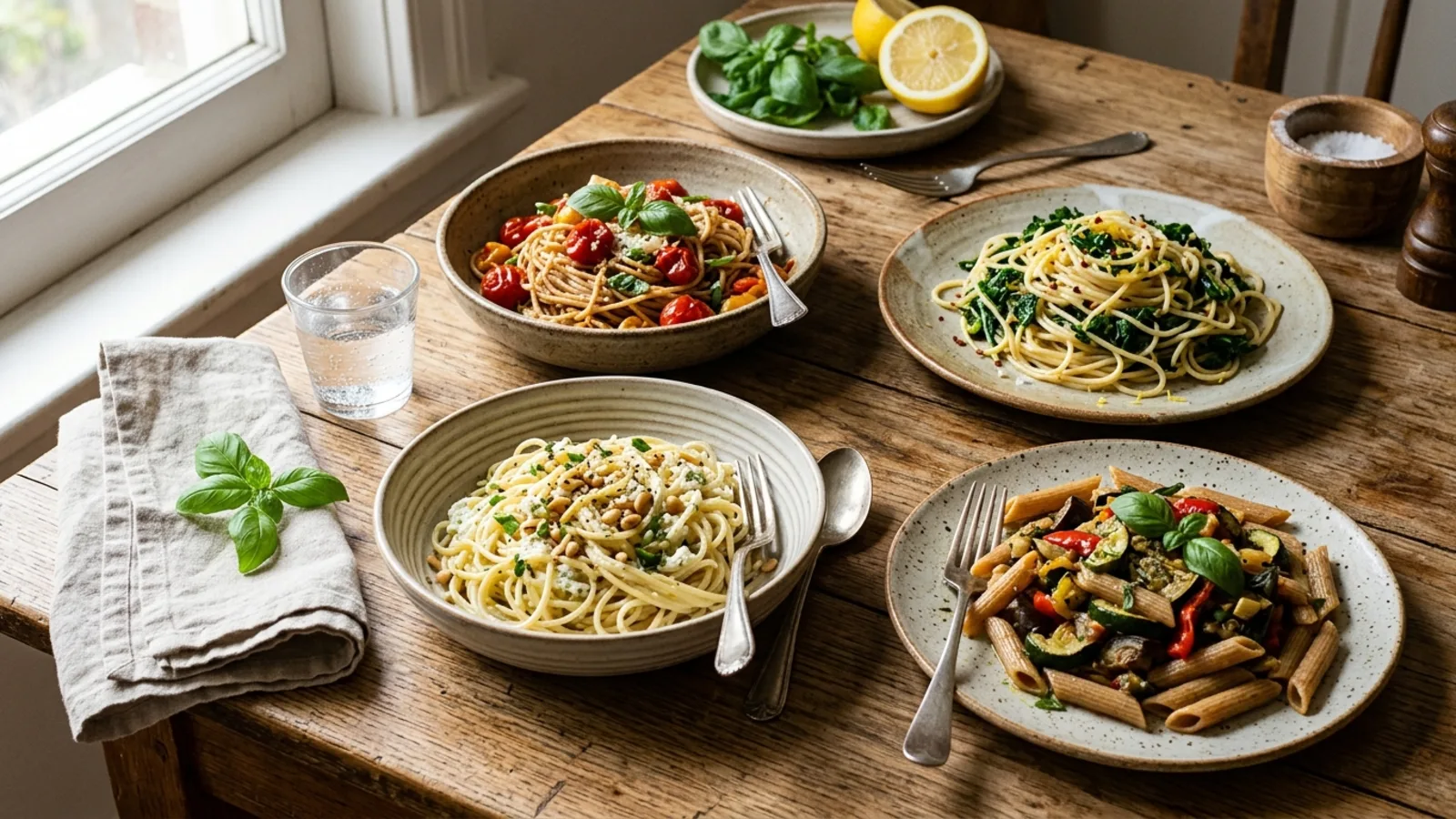
Pasta has a bad reputation. Cut it if you’re trying to eat healthy, cut it if you’re losing weight, cut it basically the moment you get serious about food. I believed that too, and for a while I skipped it entirely. Then I actually looked at what was going wrong on my plate, and pasta wasn’t it. This article breaks down exactly why, and the technique, portioning, and four recipes that prove it.
Why Pasta Has Never Actually Been the Problem
The moment it clicked for me was one evening when I looked down at a bowl I had made for myself and realised there was no protein on the plate, the portion was enormous, and the sauce was just cream and butter with nothing else going on. That was not a pasta problem. That was a plate-building problem.
What makes a pasta dish actually work is three things: a controlled portion of dry pasta around 80 to 100g per person, a protein source built into the dish or sitting alongside it, and vegetables that add volume and color without making the whole thing feel heavy. A bowl of plain spaghetti in a cream sauce with no protein and a portion built for three people is a very different meal from 90g of tagliatelle with seared scallops in a light saffron cream and a simple green salad on the side.
One is just carbs and fat with nothing to balance it. The other is a genuinely elegant, good-for-you pasta dinner that keeps you satisfied for hours. That same protein-and-balance logic is what makes a dinner work for a whole table, not just one plate. My healthy family dinner ideas guide gets into that side of it in more depth.
The Portion Shift Nobody Talks About
The number that mattered most turned out to be 80g. I weighed dry pasta for the first time one evening expecting a tiny pile and was genuinely surprised. Eighty grams of dry rigatoni filled a large bowl once cooked and sauced properly. It looked like a real meal.
The reason nobody talks about this enough is that 80g only works when the rest of the plate is built properly. If the sauce is just olive oil and garlic and there is no protein and no vegetables, 80g will leave you hungry. But build the plate with a rich sauce, a real protein, and something green, and that portion is exactly right. The pasta becomes the base of the dish rather than the entire dish, and that is the shift that makes everything else possible.
How I Keep Pasta on the Table Without the Guilt
The thinking shift that made the biggest difference for me was simple: I stopped treating pasta as the main event and started treating it as one component of a balanced plate. When the portion is smaller, you are forced to build the rest of the dish properly, and that turns every pasta night into a genuinely complete meal.
What I think of as the light-pasta playbook comes down to three things. A controlled portion that gives you enough to enjoy without overwhelming the rest of the plate. A sauce that is so bold and full of flavor that you never feel like you are eating less. And real toppings that add protein and texture rather than just piling on more carbs.
If a lighter carb base is what you’re after instead, my low calorie pasta replacement guide covers a completely different route to the same feeling.
What a Big-Flavor Sauce Actually Does
The sauce is the reason a smaller portion never feels like a smaller meal. When every bite is delivering depth and complexity, you reach satisfaction faster.
Roasting cherry tomatoes until they collapse and turn jammy concentrates their natural sweetness into something almost syrupy. Melting nduja into olive oil creates a deep red, spiced base that clings to every ridge of rigatoni and needs nothing else to feel luxurious. A saffron cream made with just a pinch of steeped threads and a splash of single cream turns something simple into something genuinely golden and aromatic.
I made a rigatoni one night with a proper nduja and roasted tomato sauce, just a tight 85g of dry pasta, and I ate a smaller portion than I ever had and felt more satisfied than I usually did with a giant bowl of something plain. The sauce did all the work. The pasta just carried it.
Here is the dish that captures that idea perfectly.
Brown Butter Sage Gnocchi with Crispy Pancetta and Wilted Cavolo Nero
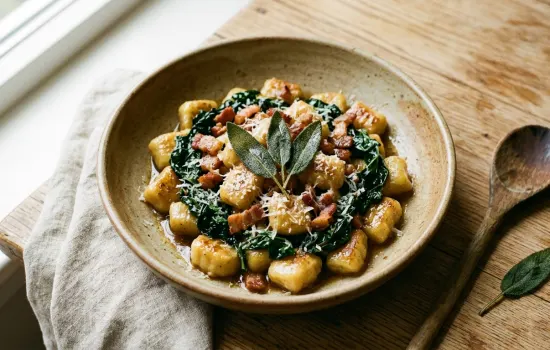
Serves 2 | approx 520 kcal per serving | 16g protein | 52g carbs | 24g fat | 25 min
Ingredients:
- 400g fresh potato gnocchi
- 80g pancetta, diced
- 3 tbsp unsalted butter (42g)
- 8 fresh sage leaves
- 150g cavolo nero, stems removed, roughly torn
- 2 garlic cloves, minced
- 30g parmesan, finely grated
- Juice of half a lemon
- Salt and black pepper
- Pinch of nutmeg
Method:
- Bring a large pot of salted water to a boil. Cook gnocchi until they float, about 2 to 3 minutes. Reserve 80ml pasta water before draining.
- Cook pancetta in a dry pan over medium-high heat for 3 to 4 minutes until golden and crispy. Remove and set aside, leaving the fat in the pan.
- Add butter to the same pan over medium heat. Once foaming, add sage leaves and cook 1 to 2 minutes until the butter turns golden and nutty and the sage is crispy. Remove sage and set aside.
- Add garlic to the brown butter and cook 30 seconds. Add cavolo nero and a splash of pasta water. Cook 2 to 3 minutes until wilted and tender.
- Add drained gnocchi and toss everything together over medium heat, adding remaining pasta water a little at a time until the sauce coats the gnocchi in a glossy layer.
- Plate immediately, scatter crispy pancetta and sage on top, finish with parmesan, lemon juice, a pinch of nutmeg, and black pepper.
This is one of the recipes built into my healthy pasta recipes collection, all following the same portion-and-technique logic.
The Elevated Version I Make When I Want to Feel Spoiled
There was an evening last autumn when I had 25 minutes, a ball of burrata in the fridge, and half a bag of pistachios left over from something else. I made a mascarpone and pistachio linguine almost by accident, and when I sat down to eat it I genuinely thought it tasted like something I had paid for in a restaurant.
What makes this dish feel so elevated is the way the mascarpone behaves. It does not sit heavy or cloy the way a cream sauce can. It coats every strand of linguine in a soft, velvet layer that feels almost like a warm embrace from the inside. The pistachios add a crunch and a faint nuttiness that contrasts beautifully with that creaminess, and when the burrata tears open over the warm pasta the cream spills down into every fold and creates these pockets of cool richness in every single bite.
The one step that makes it work is something most recipes skip entirely. Add three tablespoons of pasta water to the mascarpone before you combine it with the pasta. That small amount of starchy water loosens the mascarpone from something too thick and sticky into something that flows and coats perfectly. Too little water and the sauce clings in clumps. Just enough and it becomes something silky and restaurant-quality in a home kitchen on a weeknight.
Pistachio and Mascarpone Velvet Linguine with Burrata
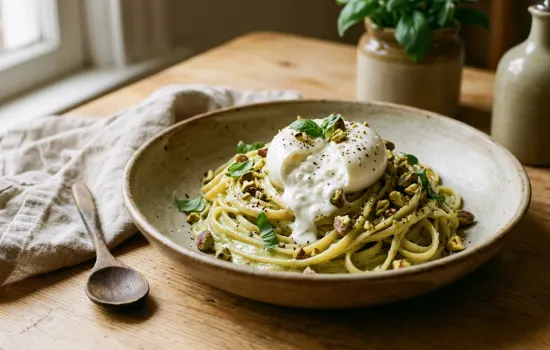
Serves 2 | approx 540 kcal per serving | 18g protein | 58g carbs | 26g fat | 25 min
Ingredients:
- 160g linguine
- 80g mascarpone
- 40g shelled pistachios, roughly chopped
- 1 ball burrata (125g)
- 2 garlic cloves, minced
- 1 tbsp olive oil (14g)
- Zest of 1 lemon
- 30g parmesan, finely grated
- Small handful fresh basil
- Salt and black pepper
- 80ml pasta water
Method:
- Cook linguine in well-salted boiling water until al dente. Reserve 80ml pasta water before draining.
- Toast pistachios in a dry pan over medium heat for 2 to 3 minutes until golden and fragrant. Set aside.
- Heat olive oil in a wide pan over medium-low heat. Add garlic and cook 1 minute until softened but not coloured.
- Add mascarpone and 3 tbsp of the reserved pasta water to the pan. Stir gently until the mascarpone melts into a smooth, silky sauce. Add lemon zest and parmesan and stir to combine.
- Add drained linguine to the pan and toss gently over low heat, adding more pasta water a tablespoon at a time until every strand is coated in a glossy velvet sauce.
- Plate the linguine, tear the burrata open over the top so the cream spills over the pasta, scatter toasted pistachios and fresh basil over everything, finish with black pepper and serve immediately.
This one’s rich enough to feel like a proper treat while still fitting inside a structured day, the same balance my 1800 calorie meal plan for weight loss guide is built around
Sauces That Feel Rich Without Weighing You Down
Every healthy pasta dinner I have made that actually worked came down to the sauce. A weak or watery sauce means you pile on more pasta to chase the flavor. A sauce with real depth means a smaller portion satisfies you completely, and that is the whole secret hiding in plain sight.
The sauces that work best are not the ones built on heavy cream and mountains of butter. They are the ones built on technique. Roasting, browning, blooming, steeping. Those methods extract more flavor from simpler ingredients than adding more fat ever could, and that is what makes a light pasta dinner feel anything but light.
Three Sauces Worth Learning by Heart
The first is a roasted tomato and nduja sauce. Halved cherry tomatoes go into the oven with olive oil and a touch of honey and come out jammy and caramelized at the edges, their sweetness amplified into something almost syrupy. The nduja melts into warm olive oil and creates a deep, rust-red, spiced base that needs nothing else to feel completely luxurious. Together they coat rigatoni in a sauce so full of flavor that a dollop of whipped ricotta on top is the only finishing touch it needs.
The second is a brown butter and sage sauce. The butter goes into a pan and gets cooked past foaming until it turns golden and smells nutty and warm. The sage crisps in it and perfumes the whole thing. Two ingredients, less than five minutes, and the result is one of the best things you can put on fresh gnocchi or any filled pasta.
The third is a saffron cream. A proper pinch of saffron threads steeped for ten minutes in three tablespoons of warm water turns pale gold and intensely aromatic. Add that to single cream in a pan, let it simmer briefly, and you have something that looks and tastes far more special than its ingredient list suggests. It is what I reach for when I want a genuinely elegant balanced pasta recipe on a weeknight.
Here is the rigatoni that shows the nduja sauce at its best.
Nduja and Roasted Cherry Tomato Rigatoni with Whipped Ricotta
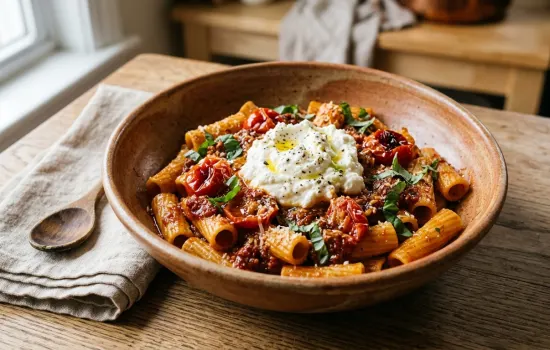
Serves 2 | approx 560 kcal per serving | 22g protein | 62g carbs | 22g fat | 30 min
Ingredients:
- 160g rigatoni
- 300g cherry tomatoes, halved
- 60g nduja
- 150g ricotta
- 2 garlic cloves, minced
- 2 tbsp olive oil (28g)
- 1 tsp honey
- Small handful fresh basil
- 30g parmesan, grated
- Salt and black pepper
Method:
- Preheat oven to 200 °C. Toss cherry tomatoes with 1 tbsp olive oil, honey, salt, and pepper. Roast 20 minutes until jammy and slightly caramelized at the edges.
- Cook rigatoni in well-salted boiling water until al dente. Reserve 100ml pasta water before draining.
- Heat remaining olive oil in a wide pan over medium heat. Add nduja and cook 2 minutes, breaking it up with a spoon until it melts into a deep red oil.
- Add garlic and cook 30 seconds. Add roasted tomatoes and their juices and stir to combine with the nduja oil.
- Add drained rigatoni and toss over medium heat, adding pasta water gradually until the sauce is glossy and coats every tube.
- Whip ricotta with a fork until smooth and creamy. Plate the rigatoni, add a generous spoonful of whipped ricotta on top, scatter fresh basil and parmesan over everything and serve immediately.
This one holds up well cold from the fridge the next day too, which makes it one of the easiest lunches I reach for midweek. My healthy high protein lunch ideas guide covers a few more of those reheat-or-eat-cold options
What Goes Alongside Pasta to Complete the Plate
I used to skip the side dish entirely and then wonder why a pasta night never quite felt like a full meal. Adding something alongside the bowl is what closes the loop, and it does not have to be complicated or time-consuming.
The three pairings I keep coming back to are all simple and all deliberate. A green salad dressed with fresh lemon juice and good olive oil cuts through the richness of a cream-based pasta, the acidity of the dressing doing exactly what a squeeze of citrus does to a heavy sauce. Roasted broccolini with chili and garlic brings bitterness and a satisfying crunch that contrasts beautifully with the sweetness of a tomato-based dish. A small portion of burrata or fresh mozzarella served alongside a lighter pasta adds protein and creaminess without any extra cooking time.
The night I actually understood what a side dish was doing was the first evening I added a simple lemon-dressed salad to a cream pasta. I finished the bowl feeling completely satisfied, not stuffed, not still looking in the fridge afterward. The salad had balanced the richness and the combination felt like a proper, complete dinner rather than just a bowl of carbs I was slightly worried about.
That logic is what sits behind this final recipe, which brings the saffron cream sauce and the protein side together on one plate.
Saffron Cream Tagliatelle with Seared Scallops and Crispy Capers
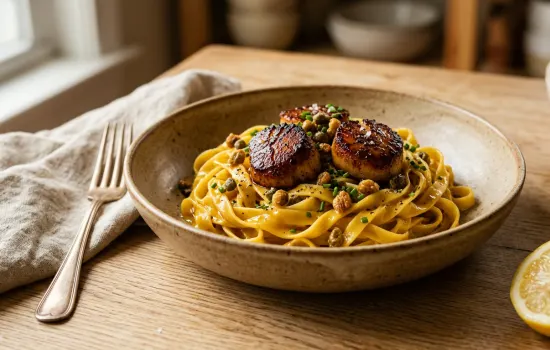
Serves 2 | approx 490 kcal per serving | 32g protein | 48g carbs | 18g fat | 30 min
Ingredients:
- 160g tagliatelle
- 6 large scallops (240g), patted completely dry
- 2 tbsp capers (30g), patted dry
- 150ml single cream
- 1 small shallot, finely diced
- 2 garlic cloves, minced
- Good pinch of saffron threads
- 3 tbsp warm water
- 2 tbsp olive oil (28g)
- 1 tbsp butter (14g)
- Juice of half a lemon
- Fresh chives, finely chopped
- Salt and white pepper
Method:
- Steep saffron threads in 3 tbsp warm water for 10 minutes until the water turns deep golden.
- Cook tagliatelle in well-salted boiling water until al dente. Reserve 80ml pasta water before draining.
- Heat 1 tbsp olive oil in a small pan over high heat. Fry capers for 2 minutes until crispy and golden. Remove and set aside.
- In a wide pan heat remaining olive oil over medium heat. Cook shallot 3 minutes until soft. Add garlic and cook 1 minute. Pour in saffron water, cream, and a pinch of white pepper. Simmer 3 to 4 minutes until slightly thickened. Add pasta water to loosen if needed.
- Add drained tagliatelle to the sauce and toss gently until every strand is coated in the golden saffron cream.
- Heat butter in a separate pan over very high heat until foaming. Season scallops with salt and white pepper. Sear 90 seconds each side without moving until deeply golden. Squeeze lemon over immediately after cooking.
- Plate the tagliatelle, arrange scallops on top, scatter crispy capers and fresh chives over everything and serve immediately.
Scallops are one of the best proteins for exactly this kind of plate-building, and it’s the same principle my high protein meals for weight loss guide breaks down across other meals too.
What Actually Changed on My Plate
The evening that made saffron tagliatelle a permanent fixture in my week came early last spring. I had come home later than planned and the kitchen was cold and quiet. I steeped the saffron while I changed out of work clothes, and by the time I came back the water in the bowl had turned this deep, warm gold that already smelled faintly floral and sweet.
The sound of the scallops hitting the pan was one of those kitchen sounds that immediately makes everything feel like it is going to be fine. That hard, clean sear. The way they went from pale and soft to golden and caramelized on the outside in under two minutes. When I plated everything and the golden strands of tagliatelle caught the light from the overhead lamp, I stood there for a second before sitting down.
None of this required cutting pasta out. It required paying attention to what actually sat on the plate next to it, portion, protein, sauce with real technique behind it. That’s the whole myth, dismantled by just looking closer. These are the healthy pasta recipes for dinner I actually reach for, and the scallops are still the one I make when I want the evening to feel earned.
New pasta nights and recipes land in the newsletter every now and then, worth staying subscribed for if this is the kind of cooking you want more of.
Mounir, Healthy lifestyle creator at LeanLife Journey.