Low Calorie Smoothies That Became My Go-To
I used to pile every piece of fruit I owned into a blender and call it healthy, then wonder why I was hungry again by 10am. The problem wasn’t smoothies. It was how I was building them. This article walks you through exactly what changed for me, from ingredients to technique to make-ahead tricks that actually hold up on a Wednesday morning. If you’ve ever felt like your blender was working against you, keep reading.
The Day Smoothies Finally Clicked for Me
The smell hit me before I even tasted it. That sweet, cold cloud of blended fruit rising out of the blender on a Tuesday morning, somehow making the whole kitchen feel like a better place to be. I’d been in a rough patch, one of those stretches where a family member had gently pointed out that my eating had quietly fallen apart, and I knew they were right. I’d started experimenting with a green pineapple blend that morning, adding in frozen mango and a splash of light coconut milk, and the result was something I actually wanted to drink.
It wasn’t diet food. It was a thick, cold, tropical pour that tasted like something you’d order somewhere. That single glass pulled me back into caring about what I put in my body, not out of guilt, but out of genuine pleasure.
Breakfast is where that shift tends to start for most people. My healthy breakfast ideas for weight loss piece covers the wider pattern, not just smoothies, but everything that sets the morning up right.
Refined Smoothies, Not Restrictive Eating
Here’s my honest opinion: most people are overcomplicating this. The idea that a low calorie smoothie has to taste like cold grass is one I held for years, and it was completely wrong. I used to think that anything good-tasting must be secretly bad for you, so I’d sip something bland and joyless and feel virtuous, then raid the cupboard an hour later.
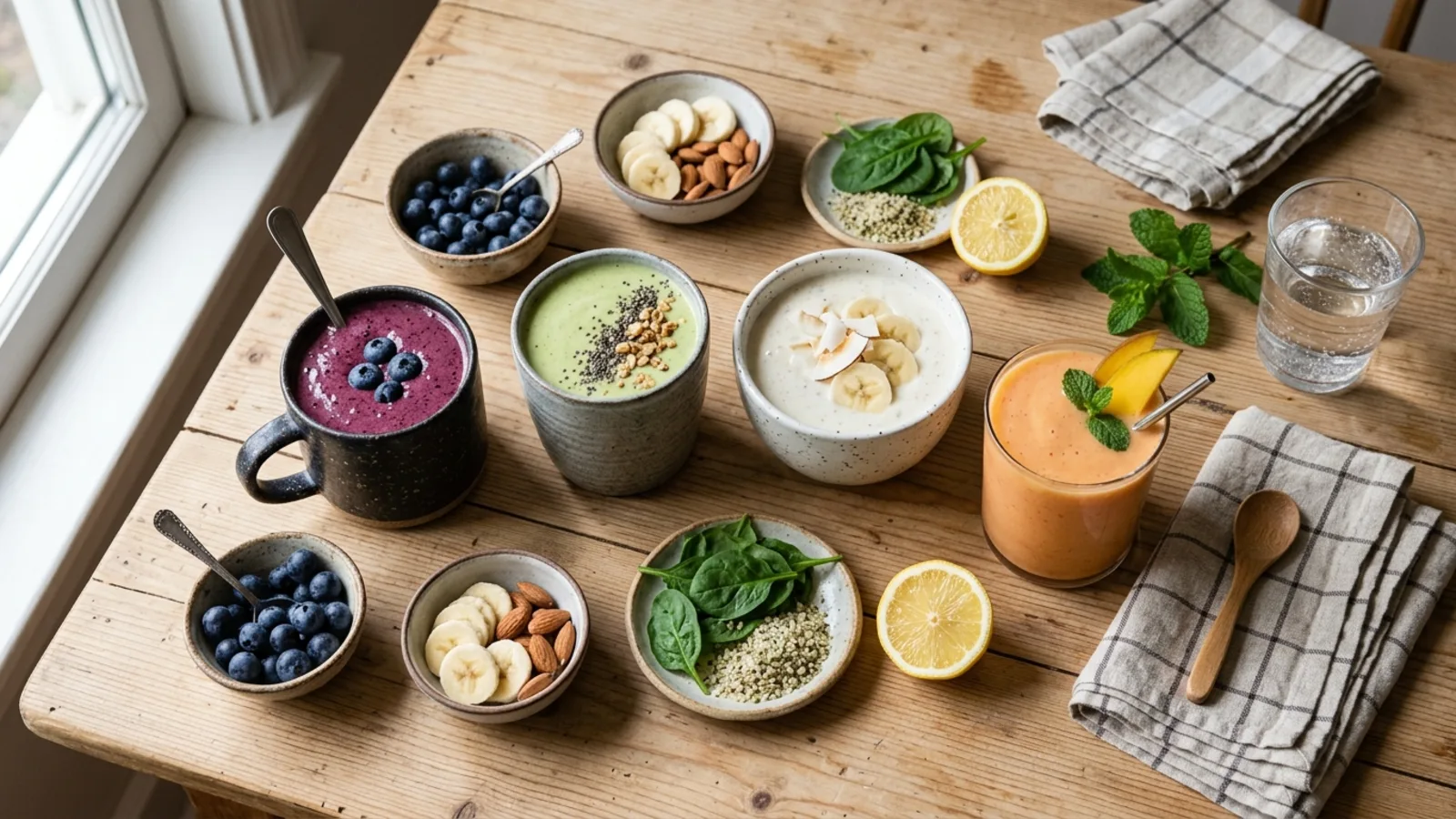
What changed it was a berry protein shake I made on a whim. Dark frozen berries blended with oat milk and a scoop of vanilla protein powder, poured out thick and almost creamy-looking, deep purple and slightly frothy at the rim. It tasted indulgent. It wasn’t.
That’s the shift I want every person reading this to feel. Low calorie smoothie recipes don’t have to ask anything of you except a working blender and decent ingredients.
Creamy Vanilla Almond Protein Smoothie
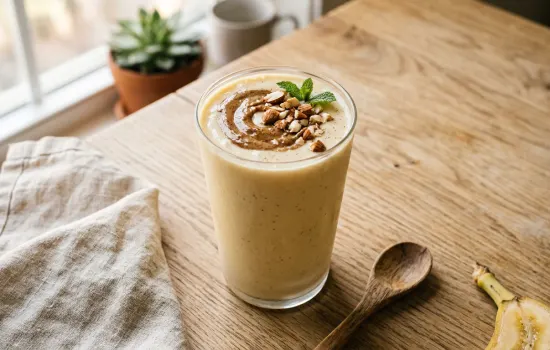
Serves 1 | approx 370 kcal | 30g protein | 35g carbs | 14g fat | 5 min (no cook)
Ingredients:
- 1 frozen banana (120g)
- 1 scoop vanilla protein powder (30g)
- 240ml almond milk
- 1 tbsp almond butter (16g)
- 1/2 tsp vanilla extract
- Handful of ice
Method:
- Add everything to a blender.
- Blend for 45 seconds until the mixture is completely thick and smooth with no lumps.
- Lift the lid and check the texture. It should coat the back of a spoon slightly.
- Pour straight into a cold glass and drink immediately before the ice melts and thins it out.
For the spoonable version of this same protein-forward approach, my healthy smoothie bowls guide covers the bowl format instead
What’s Actually in My Smoothies
The swap that quietly fixed everything was ditching full-fat coconut milk for the light version. That single change brought the calorie count down without touching the flavor, and I resisted it for months because I assumed light meant watery and sad. It doesn’t. With frozen fruit doing the thickening work, you barely notice the difference in richness, and the taste stays full and tropical.
The ingredients I keep coming back to are frozen banana for body, a scoop of protein powder for staying power, and a good low calorie liquid for smoothies like light coconut milk or unsweetened almond milk as the base. I also started adding a handful of spinach to almost everything, and I promise you cannot taste it when the fruit is strong enough. A low calorie protein smoothie built on these basics keeps me going for hours in a way that plain fruit blends never did.
The one I make most often now started as a happy experiment with frozen mango, and it became the smoothie I look forward to making.
Mornings built around this kind of thinking go further than just smoothies. My healthy breakfast recipes collection has a full range of options for anyone who wants the same energy without the same drink every day.
Keeping the Calorie Count Honest Without a Spreadsheet
The two ingredients that quietly inflate smoothie calories more than anything else are nut butters in large amounts and full-fat dairy. A generous pour of coconut cream or two heaped tablespoons of almond butter can add 200 calories before anything else goes in the blender.
The rule I follow now is one fat source per smoothie. Either nut butter or a richer milk, never both at the same time. Frozen fruit handles the thickening, so the fat is there for flavour and staying power, not bulk.
A 300 calorie smoothie built around frozen banana, protein powder, and light coconut milk will keep me fuller longer than a 500 calorie one built around juice, honey, and full-fat yogurt. The protein and fibre are doing actual work. Knowing that changed how I shop for these ingredients entirely.
Seeing how a single meal fits into a full day of eating puts those numbers in perspective. My 1800 calorie meal plan for weight loss shows exactly how breakfast, lunch, and dinner work together as one structure.
Green Mango Coconut Smoothie
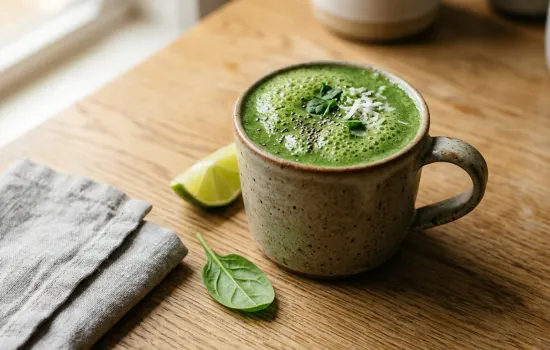
Serves 1 | approx 250 kcal | 5g protein | 32g carbs | 14g fat | 5 min (no cook)
Ingredients:
- 150g frozen mango chunks
- 1 large handful fresh spinach (30g)
- 200ml light coconut milk
- 1 tbsp chia seeds (12g)
- Juice of half a lime
- Handful of ice
Method:
- Add spinach and coconut milk to the blender first and blend for 20 seconds until the spinach is completely broken down and the liquid looks smooth and green.
- Add frozen mango, chia seeds, lime juice, and ice.
- Blend for 40 seconds until completely smooth, thick, and slightly airy at the top.
- Pour immediately and serve. The chia seeds will continue to absorb liquid, so drink it fresh.
Getting Smoothies Just Right
The one technique that made the biggest difference was freezing my fruit the night before instead of using it fresh with ice. It sounds small. It isn’t. Fresh fruit with a lot of ice tends to produce a thin, watery result that separates quickly, while frozen fruit does the heavy lifting itself and gives you that thick, frothy pour that actually feels satisfying to drink.
I learned this the hard way one Sunday when I was rushing and skipped the frozen step entirely. I blended fresh banana with room-temperature milk and a scoop of protein powder, and the whole thing came out pale, slimy, and basically undrinkable. I nearly poured it down the sink. I did pour it down the sink.
Now I bag up my fruit portions every Saturday evening, pop them in the freezer, and wake up Monday morning ready to go. The blender does the rest in under a minute.
The Other Mistakes I Stopped Making
Over-blending was the next thing I had to unlearn. I used to run the blender for two or three minutes thinking longer meant smoother. What it actually meant was a warm, slightly airy result that had lost all its chill and most of its texture.
Thirty to forty-five seconds is genuinely enough. Stopping early is what keeps the temperature cold and the pour thick.
The other mistake was using ice as the main thickener. Ice dilutes. Frozen fruit thickens. Once I committed to that distinction, the results changed completely.
And skipping protein entirely, which I did for years, is why I was hungry again before lunch every single time. A protein source, whether powder, yogurt, or nut butter, is not optional if you want the smoothie to actually hold you. That same protein-first thinking carries well beyond the blender. My high protein meals for weight loss article goes into how that habit works across every meal of the day.
One Small Change That Elevates Smoothies
The twist I stumbled into was adding a small spoonful of Greek yogurt to my berry blends. I wasn’t trying to change anything. I just had some leftover yogurt sitting in the fridge and dropped it in without thinking. The result was noticeably creamier, slightly tangy, and more filling than anything I’d made before.
That one addition turned a good smoothie into my current favorite. The tartness of the yogurt cuts through the sweetness of the berries in exactly the right way, and the texture becomes almost spoonable, which sounds odd but is genuinely wonderful. It also adds a quiet protein boost without a dedicated protein powder, making it a great option when I want something a little lighter.
If you’re working with mango and coconut flavors, a small amount of yogurt does the same thing, rounding out the sweetness and giving the smoothie a body it wouldn’t otherwise have. Healthy smoothie bowl recipes often rely on this trick too, and it translates perfectly to a drinkable version.
Berry Protein Power Smoothie
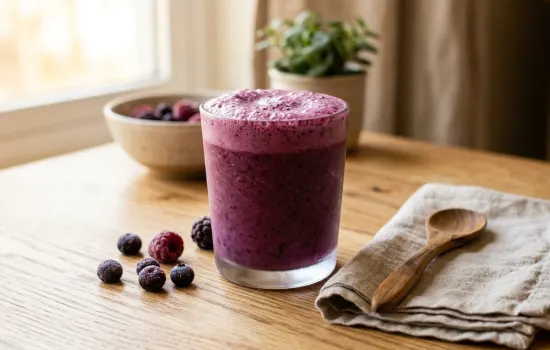
Serves 1 | approx 320 kcal | 31g protein | 37g carbs | 5g fat | 5 min (no cook)
Ingredients:
- 120g frozen mixed berries
- 1 scoop vanilla or unflavored protein powder (30g)
- 200ml oat milk
- 1 tbsp Greek yogurt (40g)
- 1 tsp honey
- Handful of ice
Method:
- Add all ingredients to the blender in the order listed.
- Blend for 45 seconds until thick, deeply colored, and completely smooth with no berry chunks remaining.
- Taste the result. Add a small drizzle of extra honey if the berries are particularly tart.
- Pour into a glass and serve straight away while it is still cold and slightly airy at the top.
Switching Up Smoothies Without Starting Over
What pushed me toward the tropical direction was sheer boredom. I’d been drinking the same two blends on rotation for weeks and started dreading my own fridge. The fix wasn’t a complete overhaul. It was one ingredient swap that changed the character of the whole drink.
Swapping oat milk for light coconut milk, then adding frozen mango to a base I already knew well, turned something familiar into something that felt new. The mango brings a brightness that berries don’t have. The coconut milk adds a subtle sweetness and just enough richness to make the smoothie feel indulgent without pushing the calorie count anywhere uncomfortable.
The accidental part was the frozen banana I added one morning because I’d run out of mango. The combination of banana and coconut milk came out so good that I’ve made it on purpose every week since. It’s warmer in flavor, almost like a dessert, and it completely changed how I think about low calorie smoothie recipe flexibility. You don’t need to start from scratch. One swap at a time is more than enough.
That dessert angle is something I lean into a lot. My full healthy dessert recipes collection takes that same idea even further, everything from no-bake treats to chilled desserts built around real ingredients without the guilt.
When a Smoothie Is Enough and When It Isn’t
A protein smoothie sitting at 300 calories or above with a proper protein source is a complete breakfast for me on most mornings. Anything lighter than that works better alongside something small and solid, a boiled egg, a piece of good toast, or a handful of nuts.
The signal I pay attention to is simple. Still thinking about food ninety minutes after drinking it means the smoothie needed more protein or fat. That is not hunger, that is information.
Once I started listening to that signal instead of ignoring it, I stopped reaching for something else mid-morning and the whole pattern settled. That ninety minute rule has been the most reliable guide I have found, and it works regardless of which blend you are making. Structuring the whole day around meals that actually hold you is something my weight loss meal plan maps out fully, ten days of eating worth looking forward to, not just tolerating.
Make-Ahead Smoothies for Busy Days
A properly made smoothie will hold in a sealed jar in the fridge for up to 24 hours without going completely wrong, though it will separate a little. That small detail matters a lot when Wednesday morning feels impossible. The trick to reviving it is a quick 10-second shake, or a brief return to the blender if you want the frothy top back.
My Sunday prep ritual is the thing that quietly saves my week. I portion out my frozen fruit into individual bags, measure my protein powder into small jars, and set out my low calorie liquids for smoothies on the counter so morning Mounir doesn’t have to think. It takes about 15 minutes on a Sunday and means I have five smooth, fast mornings in a row.
The smoothie that works best for make-ahead prep is something thick enough to survive being stored, which means leaning on frozen banana as the base and skipping anything delicate like fresh herbs or soft berries that turn quickly. Smoothies low calorie and high in satisfaction tend to be the ones built around a dense, starchy fruit base, and that base holds up in the fridge far better than a juice-heavy blend does.
Frozen Banana Peanut Butter Smoothie
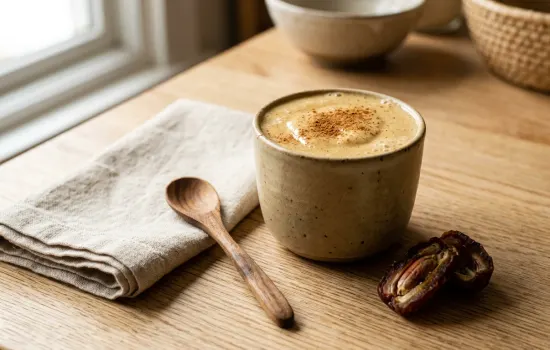
Serves 1 | approx 400 kcal | 8.5g protein | 76g carbs | 12g fat | 5 min (no cook)
Ingredients:
- 2 small frozen bananas (180g)
- 1 tbsp natural peanut butter (16g)
- 200ml oat milk
- 1/2 tsp cinnamon
- 1 Medjool date, pitted (25g)
- Handful of ice
Method:
- Add the frozen bananas, oat milk, and pitted date to the blender and blend for 30 seconds until completely combined and smooth.
- Add the peanut butter, cinnamon, and ice.
- Blend for another 30 seconds until thick, creamy, and almost silky in texture.
- Pour immediately and drink while cold. The texture is best in the first few minutes.
The System That Made It All Click
After all the experimenting, the thing that surprised me most is how little effort these actually take once the system is in place.
Fifteen minutes on a Sunday, decent ingredients in the freezer, and a blender that gets used every morning instead of gathering dust on the counter. Low calorie smoothies stopped feeling like a workaround the moment I started treating them like real food worth building properly.
The four recipes here are the ones I actually make on rotation, not showcase recipes I tried once for a photograph. More of the same, built with the same detail and the same honest approach to what works, live inside my tropical smoothie recipes collection. That is where the full lineup is.
New smoothie ideas and lighter recipes show up in the newsletter every now and then, worth joining if this kind of cooking is what you are building toward.
Mounir, Healthy lifestyle creator at LeanLife Journey.